Case Study: Successful School Psychology Interventions in La Palma


Introduction to School Psychology Interventions
School psychology interventions play a crucial role in enhancing the learning environment and addressing the diverse needs of students. In La Palma, a series of successful interventions have been implemented, showcasing the power of strategic, evidence-based approaches.
These interventions are designed to support students' academic, emotional, and social development. By focusing on these areas, schools can create a nurturing and productive environment for all learners.
Identifying Student Needs
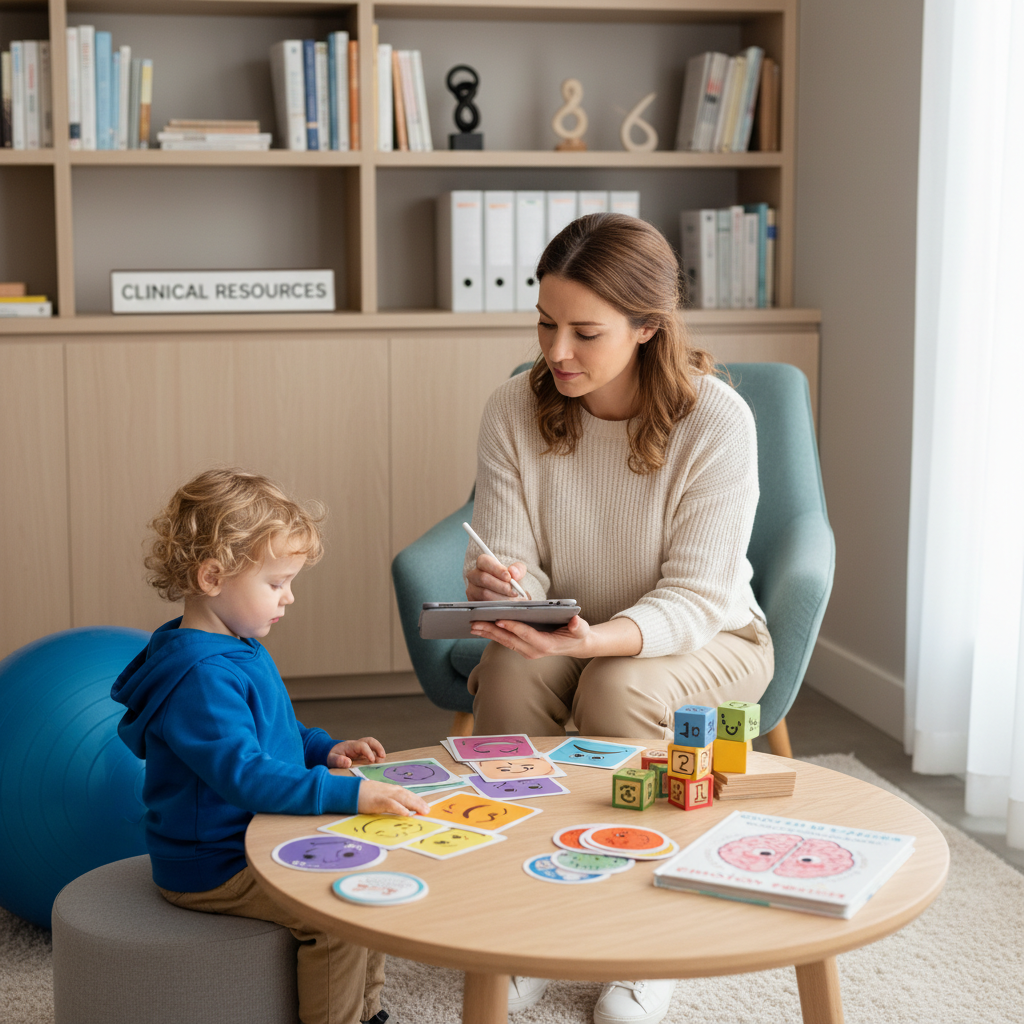
Understanding the specific needs of students is the first step in creating effective interventions. In La Palma, schools have employed comprehensive assessment tools to identify areas where students may require additional support.
These assessments include both quantitative and qualitative measures, ensuring a well-rounded view of each student's unique challenges and strengths.
Collaborative Team Approach
A key component of the interventions in La Palma is the collaborative team approach. This involves school psychologists, teachers, parents, and students working together to develop tailored strategies.

Implementing Evidence-Based Strategies
Once needs are identified, evidence-based strategies are implemented. These strategies are grounded in research and have a proven track record of success in various educational settings.
Some of the most effective strategies include cognitive-behavioral techniques, social skills training, and mindfulness practices. By using these methods, schools can address a wide range of student needs efficiently.
Monitoring and Evaluation
Continuous monitoring and evaluation are essential components of the intervention process. In La Palma, schools have established systems to track the progress of interventions and make necessary adjustments.

Success Stories and Outcomes
The results of these interventions in La Palma have been overwhelmingly positive. Students have shown significant improvements in academic performance, social interactions, and emotional resilience.
One notable success story involved a student who struggled with anxiety. Through targeted interventions, the student was able to develop coping mechanisms and significantly improve their school experience.
Lessons Learned
The success of these interventions provides valuable lessons for other schools seeking to implement similar programs. Key takeaways include the importance of personalized approaches and the power of collaboration among educators, families, and students.
By adopting these strategies, schools can create a supportive and inclusive environment that fosters growth and success for every student.