DIY Mental Health Activities for Students: Tips from School Psychologists


Understanding DIY Mental Health Activities
In today's fast-paced world, students often face numerous stressors, from academic pressures to social challenges. Fortunately, DIY mental health activities can provide effective tools for managing these stressors. School psychologists recommend incorporating simple activities into daily routines to boost mental well-being.

DIY mental health activities are not just about relaxation—they also promote self-awareness and emotional resilience. By engaging in these activities, students can develop coping strategies that will serve them throughout their lives.
Mindfulness and Meditation
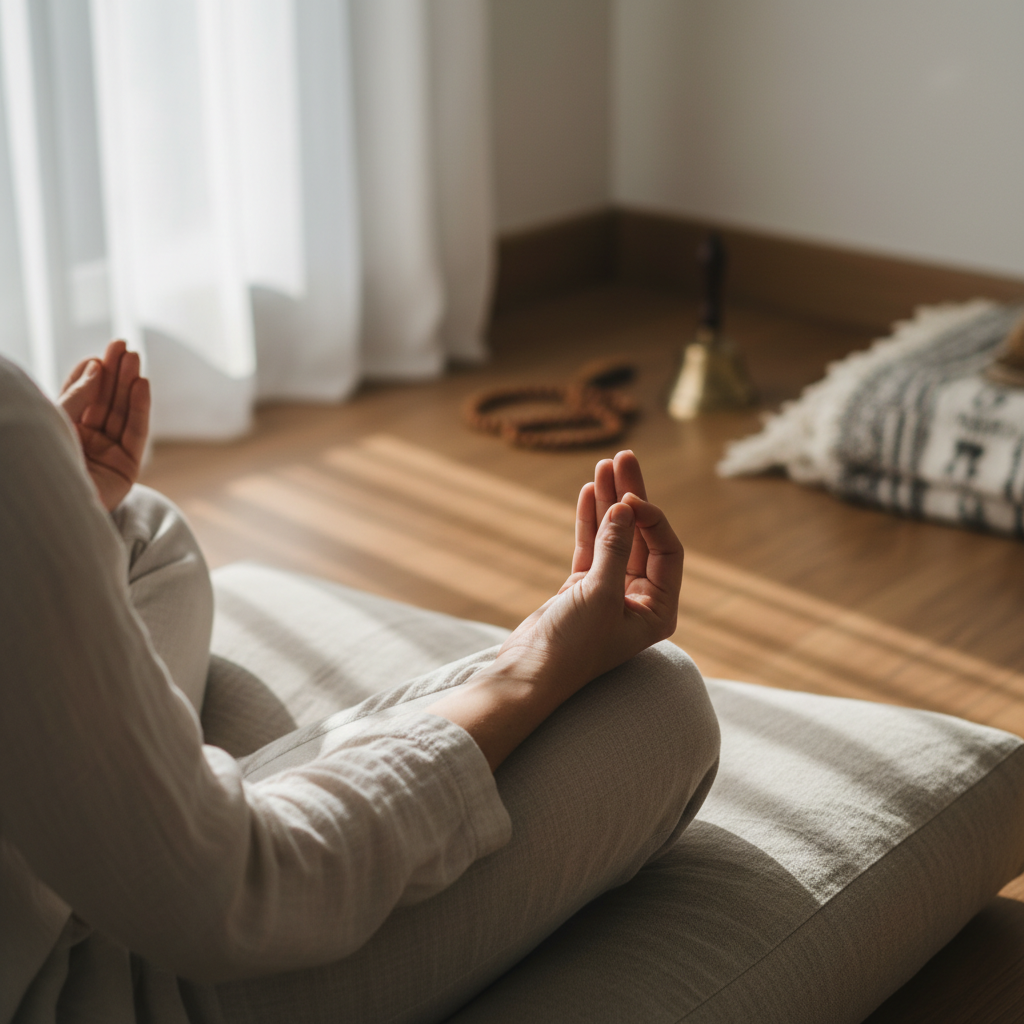
One of the most recommended activities by school psychologists is mindfulness and meditation. These practices help students focus on the present moment, reducing anxiety and enhancing concentration. Starting with just five minutes a day can make a significant difference.
To practice mindfulness, students can find a quiet space, sit comfortably, and focus on their breathing. Apps and online resources offer guided meditations tailored for beginners, making it accessible for everyone.
Creative Expression
Creative activities like drawing, painting, or writing can be powerful outlets for emotions. These activities allow students to express feelings they might find difficult to verbalize. School psychologists suggest keeping a journal or sketchpad handy for spontaneous creativity.
Art supplies don't need to be expensive; often, simple materials like pencils and paper are enough to start exploring creativity. The process of creating art can be therapeutic and help students process complex emotions.

Physical Activity
Exercise is a well-known stress reliever and mood booster. School psychologists recommend incorporating physical activities that students enjoy, whether it's dancing, jogging, or yoga. Regular exercise releases endorphins, which are natural mood lifters.
For those new to exercise, starting with short, manageable sessions can prevent overwhelm. Even a daily 10-minute walk can have positive effects on mental health.
Social Connections
Maintaining social connections is crucial for mental well-being. Encouraging students to spend time with friends or family, whether in person or virtually, can provide support and reduce feelings of isolation.

School psychologists emphasize the importance of open communication. Encouraging students to talk about their feelings with trusted individuals can foster a supportive environment.
Conclusion
Incorporating DIY mental health activities into daily life can significantly enhance students' emotional well-being. By practicing mindfulness, engaging in creative expression, staying physically active, and maintaining social connections, students can build resilience and thrive in their academic and personal lives.