How to Choose the Right School Psychologist for Your Child


Understanding the Role of a School Psychologist
Choosing the right school psychologist for your child is an important decision that can significantly impact their academic and emotional well-being. School psychologists are trained to address a variety of challenges that students face, from learning difficulties to social and emotional issues. Understanding their role can help you make an informed choice.
Assess Your Child’s Needs
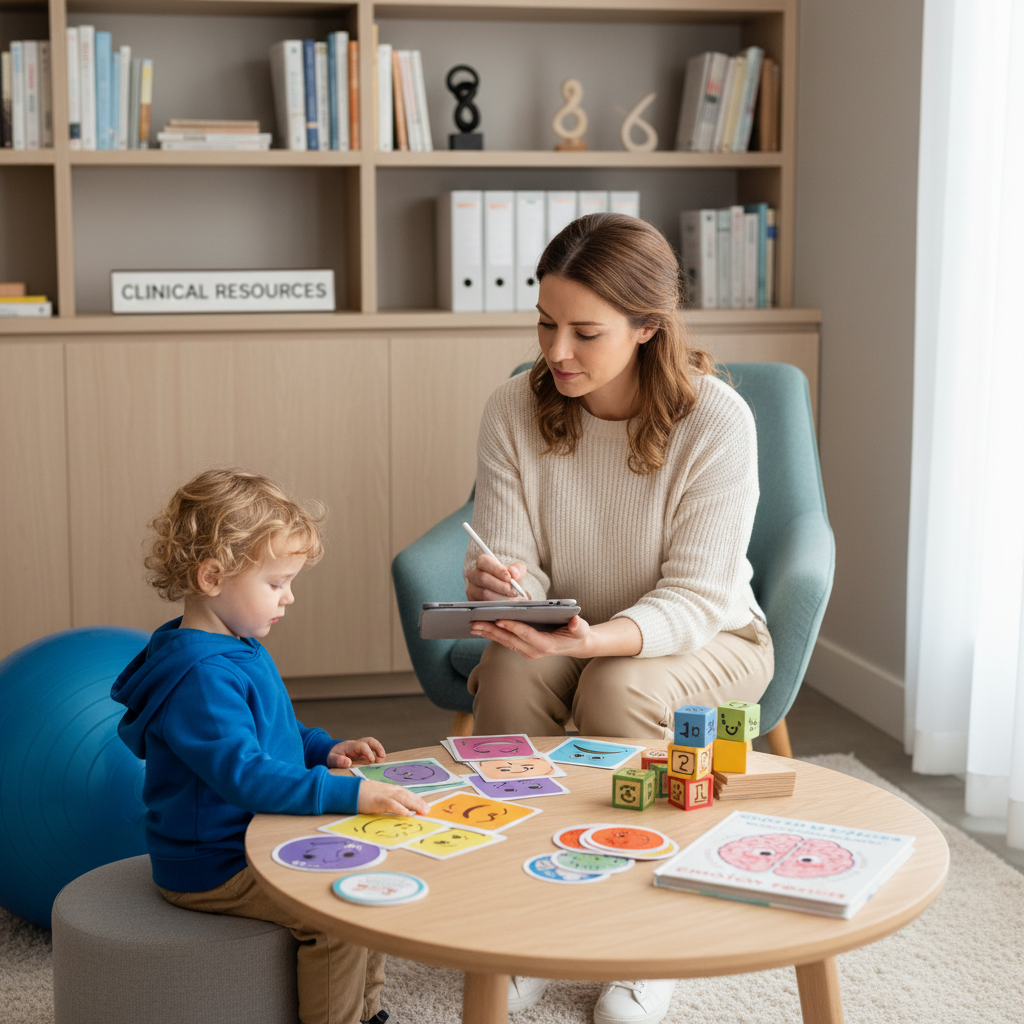
Before you start looking for a school psychologist, it's crucial to assess your child's specific needs. Are they struggling academically, or are there behavioral issues that need addressing? Understanding the areas where your child needs support will guide you in selecting a professional with the right expertise.
Consider discussing these needs with teachers or other educational professionals who interact with your child. They can often provide valuable insights into areas where a school psychologist might offer support.
Research Qualifications and Experience
When selecting a school psychologist, research their qualifications and experience. Look for professionals who have a degree in psychology or a related field and are licensed or certified by relevant boards. Experience in a school setting is particularly valuable, as it indicates familiarity with the unique challenges faced in educational environments.

Explore Their Approach and Techniques
Different psychologists employ various approaches and techniques in their practice. Some may focus on cognitive-behavioral techniques, while others might use a more holistic approach. Understanding these methods can help you decide which psychologist aligns best with your child's needs.
- Ask about their assessment methods.
- Inquire about their approach to interventions.
- Discuss how they measure progress and outcomes.
Consider Compatibility and Communication
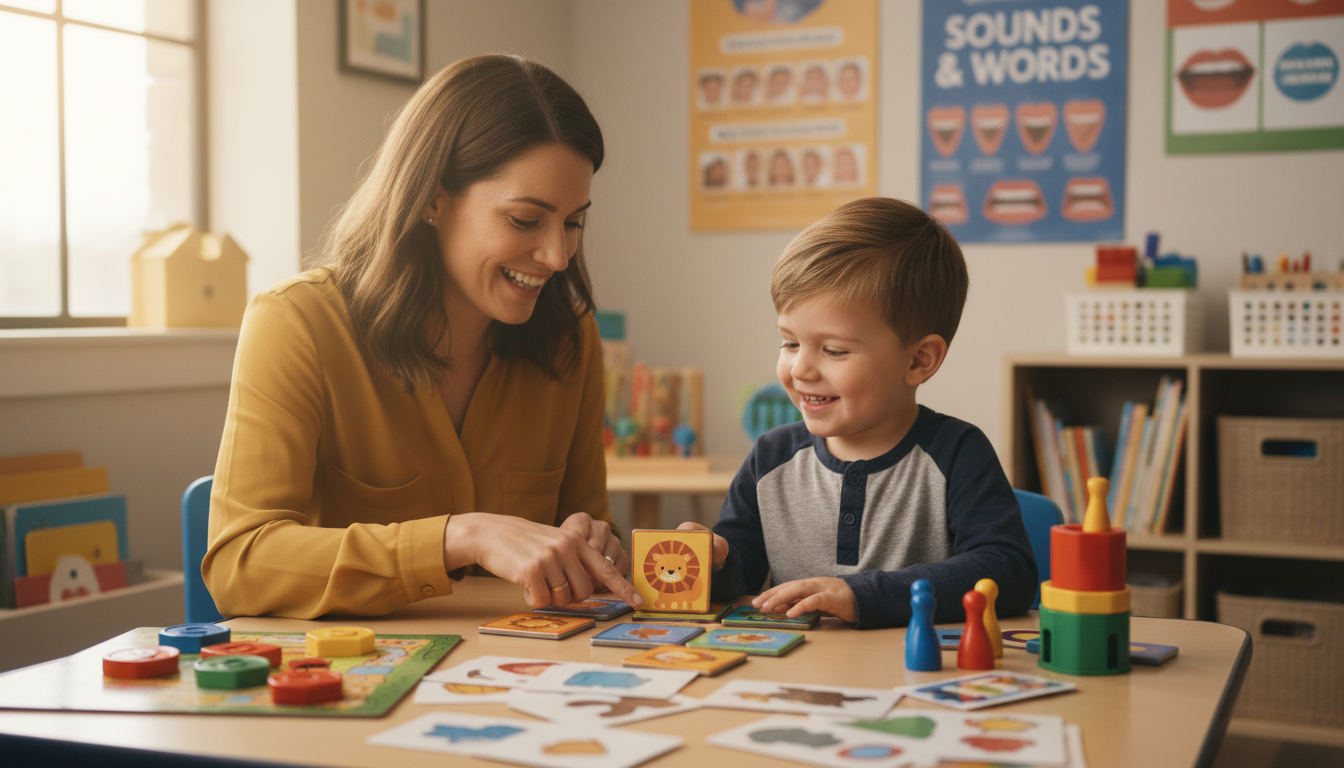
Compatibility is key when choosing a school psychologist. Your child should feel comfortable and safe with them to ensure effective communication and progress. It may be helpful to arrange a meeting with potential psychologists to see how they interact with your child.
Seek Recommendations and Reviews
Word-of-mouth recommendations from other parents or educators can be incredibly valuable. Additionally, look for reviews or testimonials that can provide further insights into a psychologist’s effectiveness and approachability.
Don’t hesitate to ask for references from the psychologist themselves. Speaking with other parents can give you a realistic view of what to expect.
Evaluate Accessibility and Availability
Finally, consider the psychologist’s accessibility and availability. Ensure that their location is convenient for regular visits and that their schedule aligns with your own. Accessibility is crucial for maintaining consistent support and ensuring that your child receives help when they need it most.

Choosing the right school psychologist involves careful consideration of many factors, including your child's specific needs, the psychologist’s qualifications and approach, and practical concerns like accessibility. By taking the time to evaluate these aspects, you can find a professional who will support your child's growth and development effectively.