Innovative Trends in School Psychology: What Educators Need to Know


Understanding the Evolving Role of School Psychologists
School psychology is undergoing a transformation, adapting to the ever-changing landscape of education. As the demands on students and educators grow, the role of school psychologists has expanded to address a wider array of needs. From mental health support to data-driven decision making, school psychologists are becoming invaluable assets in educational settings.
One of the most significant shifts is the focus on preventative measures. Rather than merely reacting to issues, school psychologists are working proactively to prevent them. This involves implementing programs that promote social-emotional learning and resilience among students.
Embracing Technology in Psychological Assessments
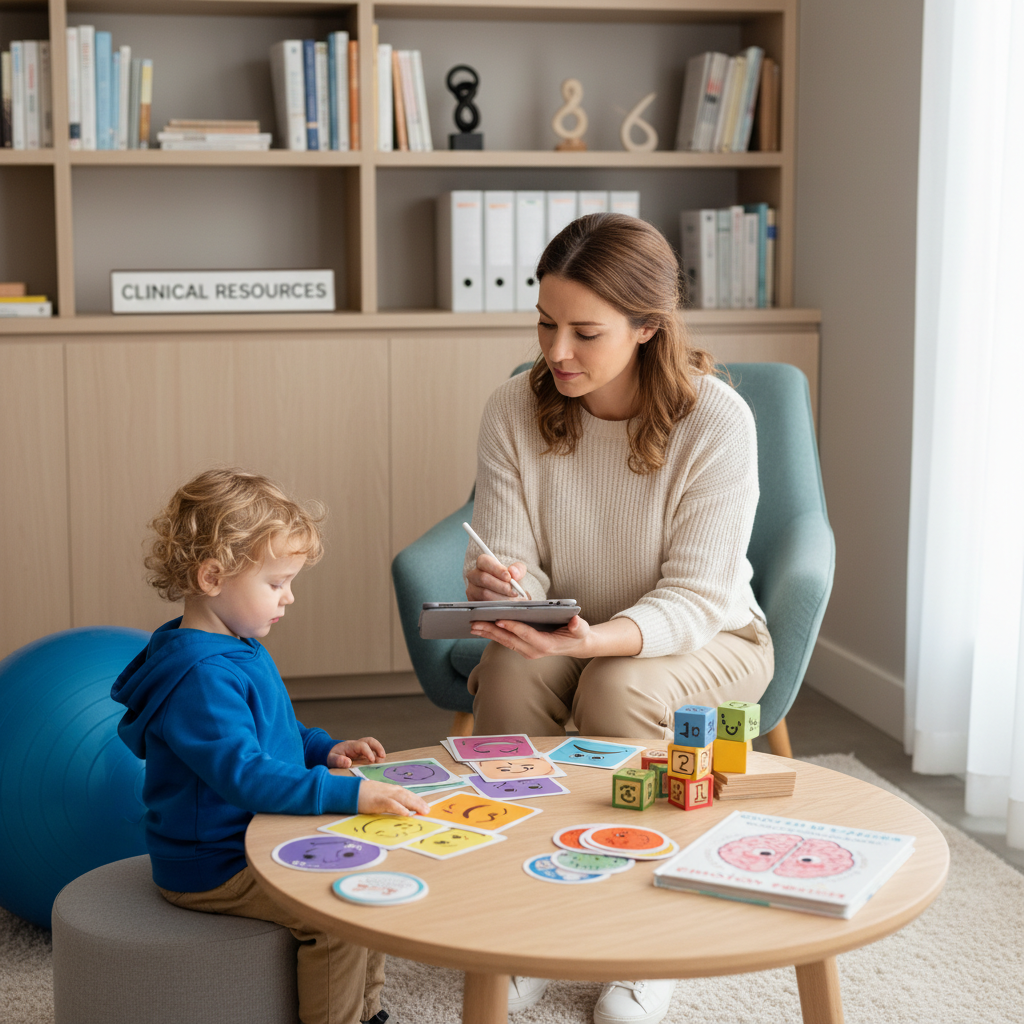
Technology is playing a pivotal role in revolutionizing school psychology. Digital tools are now being used to streamline assessments and interventions. These tools allow for more accurate data collection and analysis, enabling psychologists to develop targeted strategies for student support.
Online platforms and apps are also providing new ways for psychologists to engage with students. Virtual sessions and digital resources make psychological support more accessible, especially in remote or underserved areas.
Fostering Collaborative Approaches
Collaboration is becoming a cornerstone of effective school psychology. School psychologists are increasingly working alongside teachers, administrators, and parents to create a holistic support system for students. By building strong partnerships, they can ensure that all aspects of a student's development are addressed.
This collaborative approach extends to community organizations and mental health professionals, creating a network of support that goes beyond the school environment. Such teamwork is essential for addressing complex issues like bullying and mental health crises.

Focus on Diversity and Inclusion
As schools become more diverse, there is a growing emphasis on culturally responsive practices in school psychology. Psychologists are being trained to recognize and address the unique needs of students from various backgrounds, ensuring that all students receive equitable support.
This involves understanding cultural differences and biases that may affect the learning environment. By promoting inclusivity, school psychologists help create a more welcoming and supportive atmosphere for every student.
Integrating Social-Emotional Learning
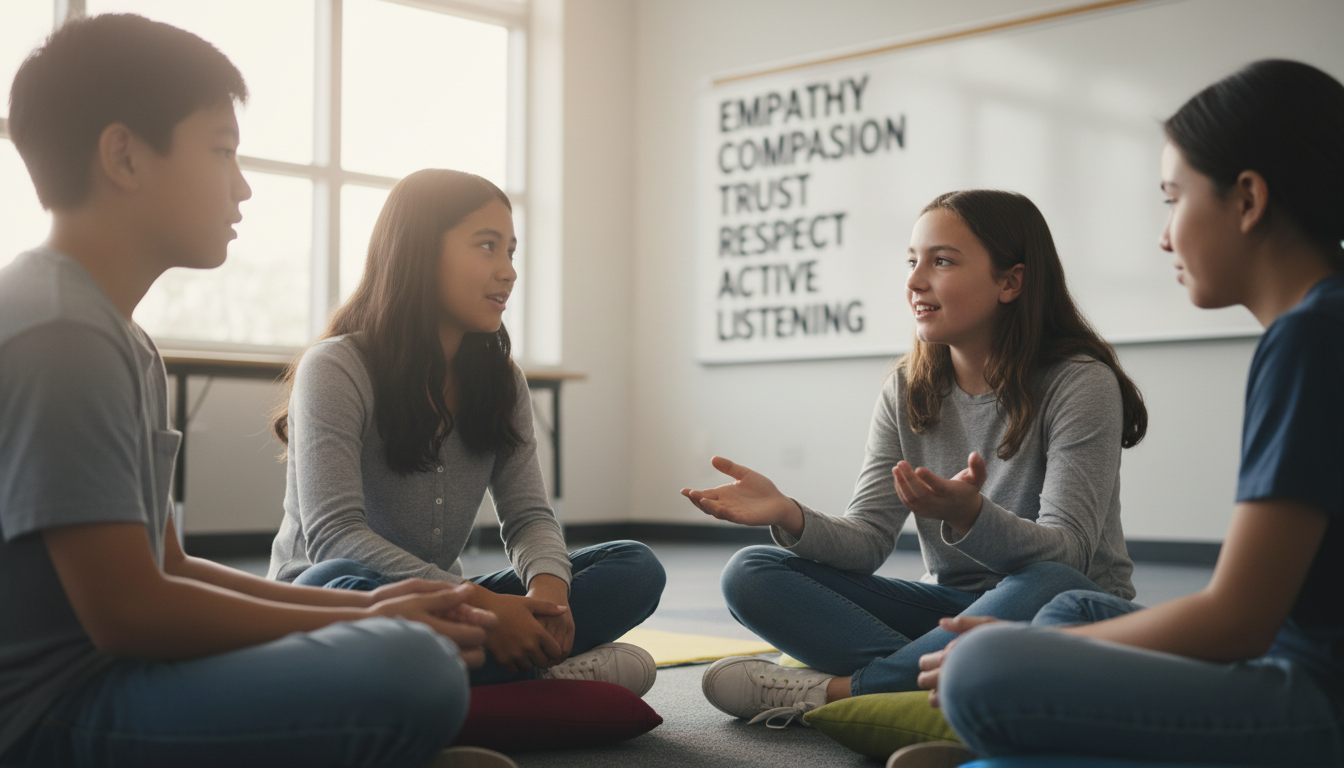
Social-emotional learning (SEL) is becoming a fundamental part of the educational experience. School psychologists are playing a key role in integrating SEL into the curriculum, helping students develop essential skills like empathy, self-awareness, and emotional regulation.
By focusing on SEL, educators can help students manage stress and improve their academic performance. This holistic approach to education supports the overall well-being of students, preparing them for success both in and out of the classroom.
Conclusion: The Future of School Psychology
Innovative trends in school psychology are reshaping the educational landscape. By embracing technology, fostering collaboration, and promoting inclusivity, school psychologists are better equipped to meet the diverse needs of today’s students. As these trends continue to evolve, educators must stay informed and adaptable, ensuring they can provide the best possible support for their students.