Innovative Trends in School Psychology: What to Expect


Understanding the Evolution of School Psychology
School psychology has witnessed significant transformations over the years. The integration of technology, new methodologies, and an increased emphasis on mental health are reshaping the field. These changes are designed to better address the needs of students, educators, and families, ensuring a holistic approach to education.
As we look to the future, several innovative trends are emerging. These trends promise to enhance the effectiveness and reach of school psychology, making it more accessible and relevant in today’s fast-paced world.
The Role of Technology
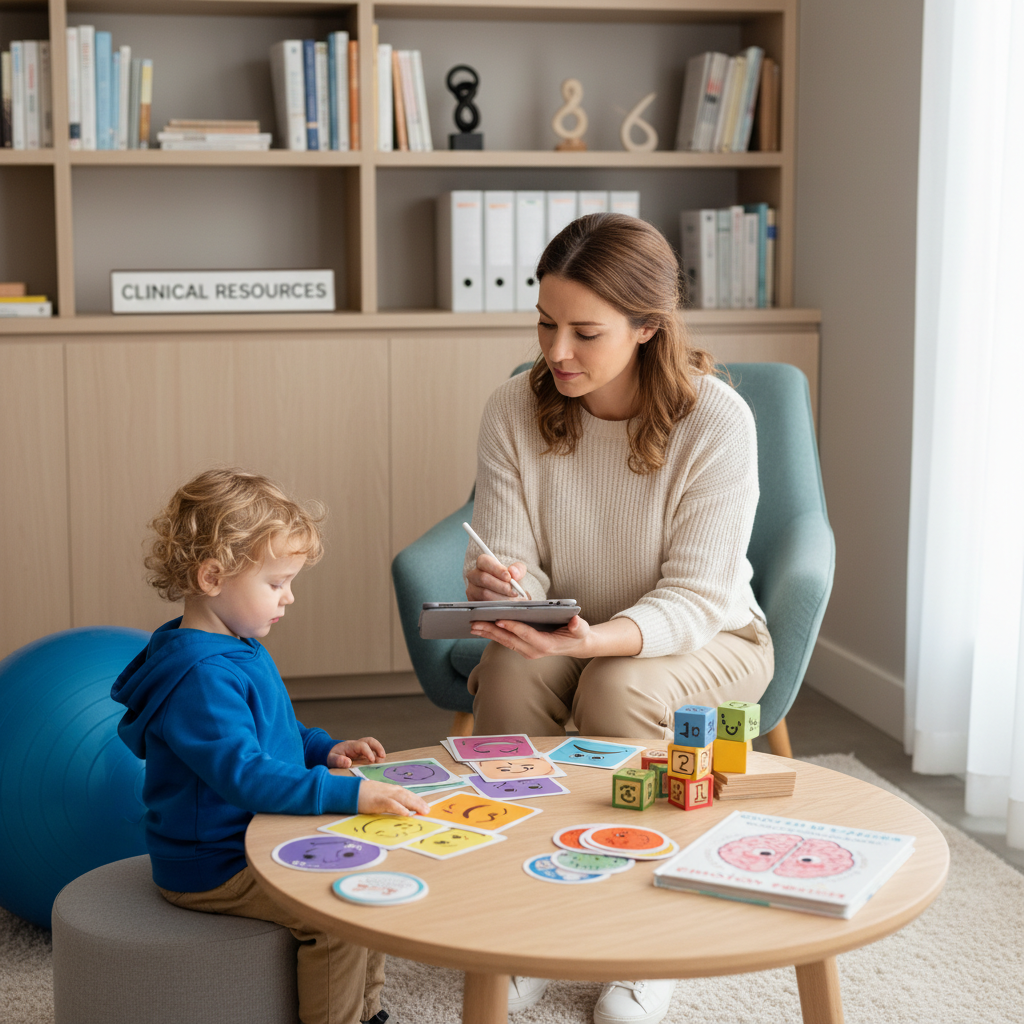
Technology is at the forefront of innovation in school psychology. Digital tools are being developed to assist psychologists in assessing, diagnosing, and supporting students. From virtual reality environments for exposure therapy to mobile apps for tracking emotional well-being, technology is providing new avenues for intervention.
Moreover, data analytics is becoming an essential tool. By analyzing data from various sources, psychologists can gain insights into behavioral trends and patterns, allowing for more targeted interventions. This data-driven approach ensures that resources are utilized efficiently and effectively.
Focus on Social-Emotional Learning (SEL)
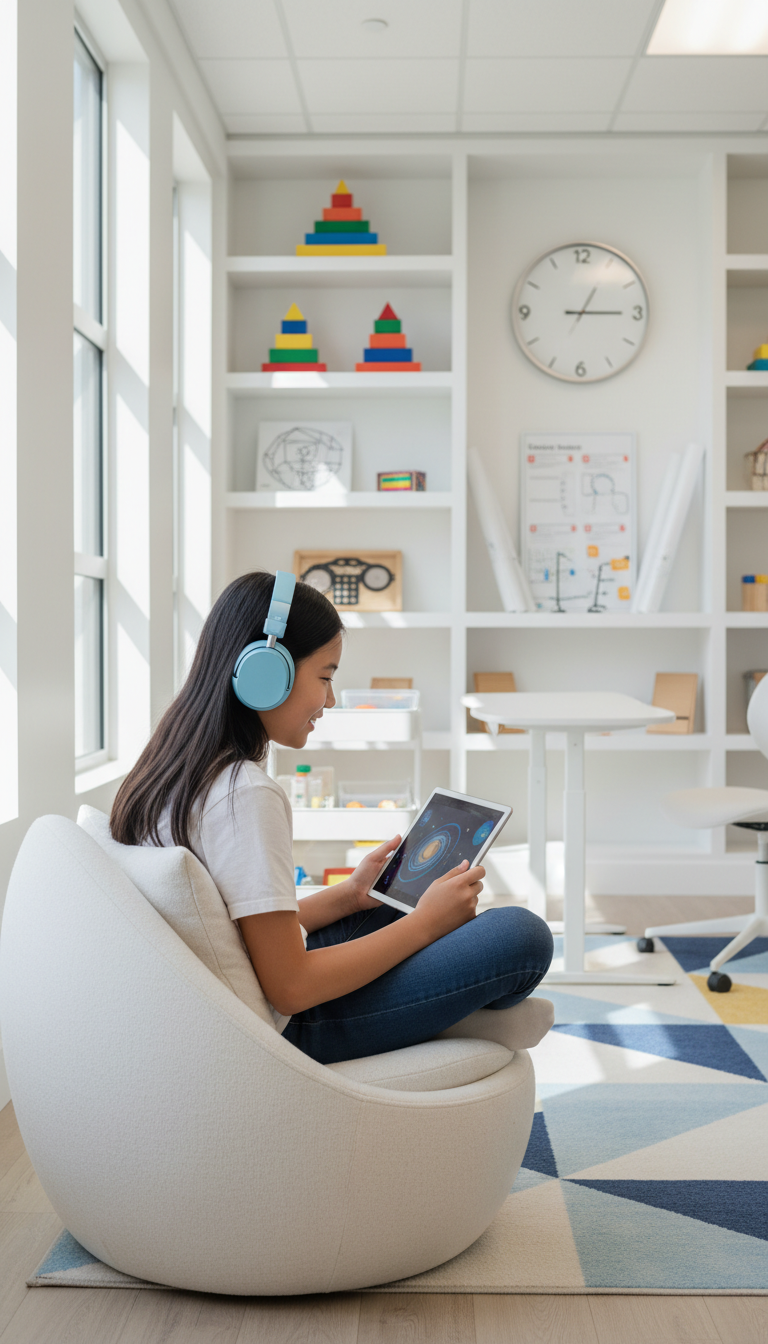
Social-emotional learning is gaining prominence as schools recognize the importance of emotional intelligence in student development. SEL programs are designed to help students manage emotions, set goals, and establish positive relationships.
Innovative SEL curricula are incorporating interactive activities and digital platforms to engage students more effectively. By fostering emotional resilience, these programs aim to improve academic performance and reduce behavioral issues.
Emphasis on Diversity and Inclusion
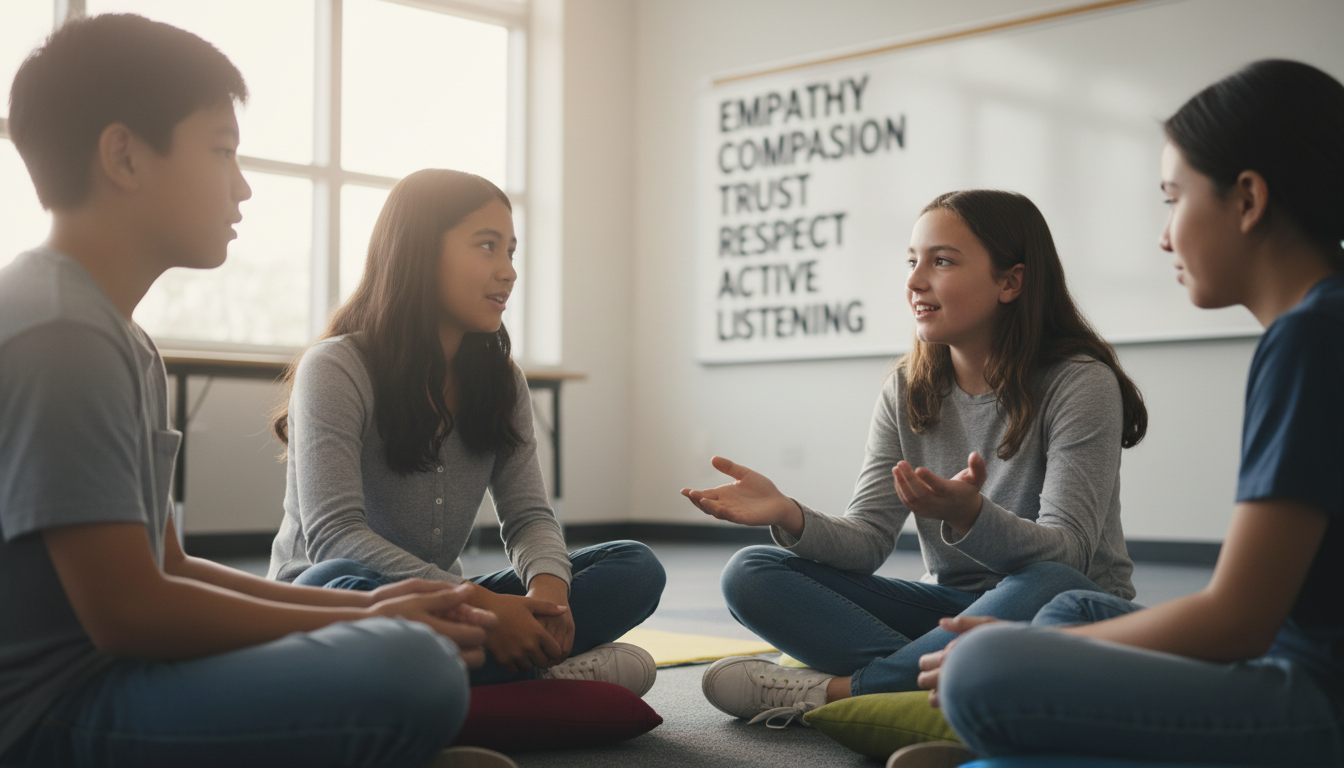
With increasing diversity in schools, there is a strong focus on creating inclusive environments. School psychologists are being trained to understand and address the unique needs of students from varied backgrounds.
Programs are being developed to promote cultural competence among educators and staff. This includes workshops, seminars, and collaborative efforts to ensure that all students feel valued and understood.
Collaboration with Educators and Families
Collaboration is key to effective school psychology. Psychologists are working closely with teachers and families to create comprehensive support systems. This teamwork ensures that interventions are consistent and reinforced both at school and home.
Regular communication and meetings are being facilitated through digital platforms, allowing for more flexible and ongoing collaboration. This approach helps in creating a supportive network for students, enhancing their overall development.

Future Prospects
The future of school psychology is bright, with continuous advancements and innovations on the horizon. As these trends evolve, they promise to create more supportive, inclusive, and effective educational environments.
By embracing these innovations, school psychologists are better equipped to meet the diverse needs of today’s student population, paving the way for a more promising future in education.