Preparing for the New School Year: Tips for Parents from School Psychologists


Creating a Smooth Transition
As the new school year approaches, preparing your child for a smooth transition can make all the difference. School psychologists recommend starting with a consistent routine to ease the shift from summer to school mode. Gradually adjust bedtime and wake-up times a couple of weeks before school starts. This helps children get accustomed to the schedule and reduces anxiety.
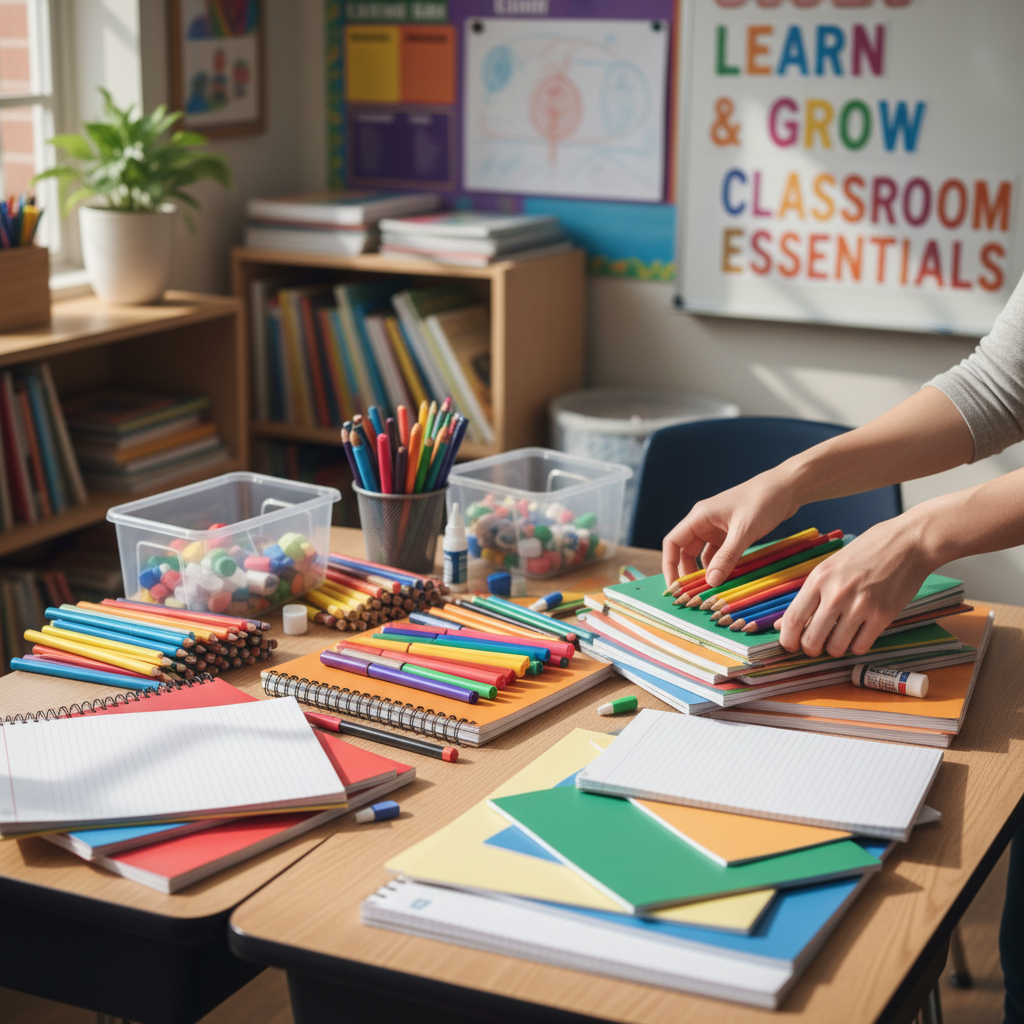
In addition to routine changes, involve your child in back-to-school shopping. Let them pick out their supplies and clothes, as this can create excitement and a sense of ownership over the upcoming year. Prepare them mentally by discussing what they can expect in their new grade, and encourage a positive attitude towards learning.
Building Emotional Resilience
Emotional preparedness is just as crucial as academic readiness. Encourage open conversations about feelings and any anxieties your child might have. Remind them that it's normal to feel nervous about new experiences. School psychologists suggest role-playing scenarios, like meeting new classmates or approaching teachers, to build confidence.
Another effective strategy is to develop a "coping toolbox" with your child. This could include deep-breathing exercises, drawing, or listening to music. Teach them to recognize their emotions and choose a coping strategy that works best for them. Building these skills early on can foster resilience throughout the school year.
Organizing the Home Environment
Creating a conducive learning environment at home can greatly impact your child's success. Designate a quiet, clutter-free space for homework and study. Stock it with necessary supplies like pencils, paper, and a calculator. Having a dedicated area signals to your child that education is a priority.
Establishing a family calendar can also help keep everyone organized. Mark important dates such as school events, assignment deadlines, and extracurricular activities. This visual aid helps children learn time management and reduces last-minute stress for the whole family.

Fostering Positive Relationships
Building strong relationships with teachers and school staff is vital. Encourage your child to introduce themselves and seek help when needed. As a parent, take the initiative to attend parent-teacher meetings and school events. This involvement shows your child that you value their education.
Moreover, facilitate friendships by arranging playdates or encouraging participation in extracurricular activities. These interactions help children develop social skills and feel more connected to their school community.
Staying Informed and Engaged
Stay informed about school policies, upcoming events, and your child's progress. Many schools offer newsletters or online portals to keep parents updated. Being knowledgeable allows you to support your child more effectively and address any concerns promptly.
Finally, maintain open lines of communication with your child throughout the school year. Regularly check in with them about their experiences, challenges, and achievements. Your involvement and interest in their education can boost their confidence and motivation.