The Latest Trends in School Psychology: What’s Changing?


Introduction to Evolving Trends
School psychology is undergoing significant transformations, driven by changes in educational policies, technological advancements, and evolving societal needs. These shifts are reshaping how psychologists work with students, educators, and families to foster a supportive learning environment.
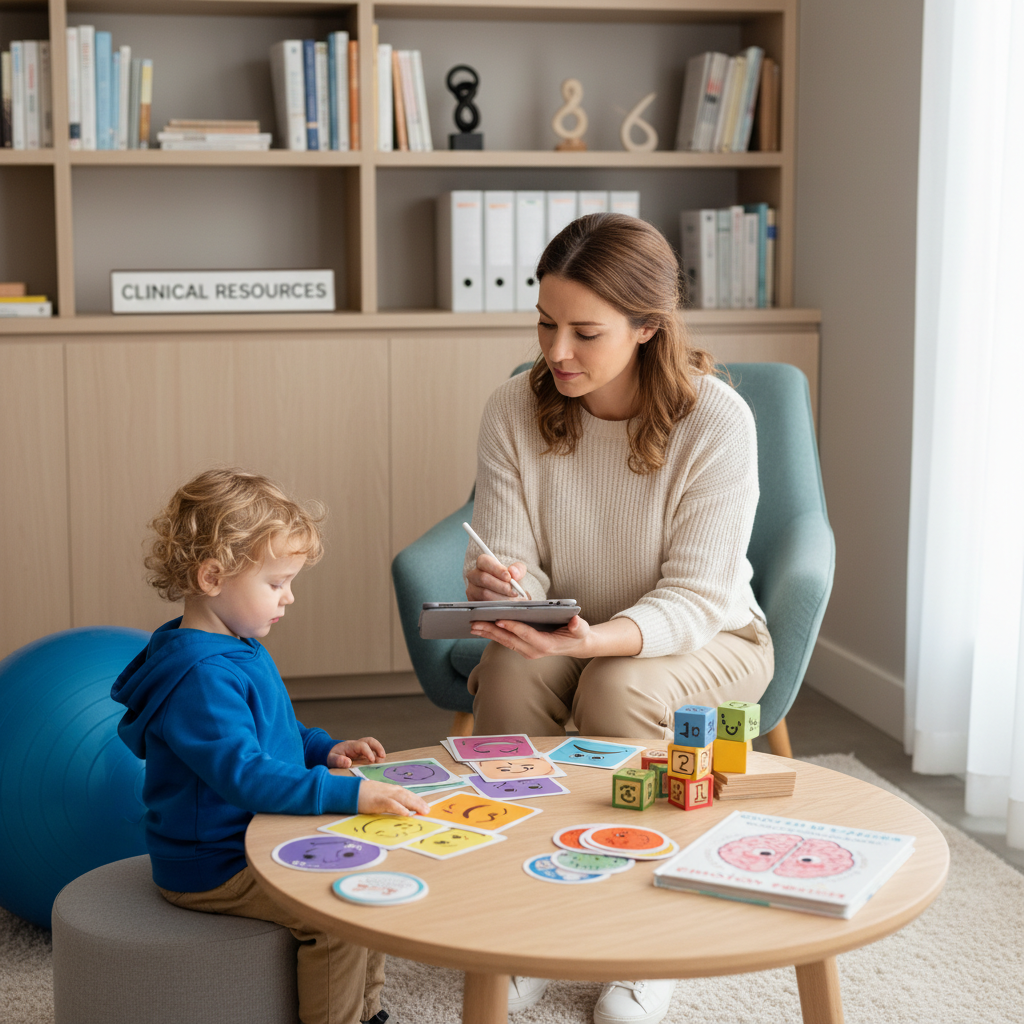
Emphasis on Mental Health
One of the most significant changes in school psychology is the increased focus on mental health. Schools are recognizing the importance of addressing students' emotional well-being as part of their overall development. This shift is leading to more resources being allocated for mental health services, including counseling and therapy.
Programs are being designed to help students manage stress, anxiety, and depression. The integration of mental health education into the curriculum is becoming more common, helping to destigmatize these conversations and provide support where it's needed most.
Integration of Technology
Technological advancements are playing a crucial role in school psychology. Digital tools and platforms are being used to enhance assessments, interventions, and communication. For example, online assessments and virtual counseling sessions make it easier for students to access the help they need.

Moreover, data collection and analysis tools are providing insights into student behavior and learning patterns, allowing psychologists to tailor their approaches more effectively. This trend is making interventions more personalized and data-driven.
Focus on Inclusivity and Diversity
Another important trend is the focus on inclusivity and diversity. School psychologists are working to ensure that all students, regardless of their background, have access to the support they need. This includes developing culturally responsive practices and addressing biases in educational settings.
Efforts to promote inclusivity are leading to the creation of programs that celebrate diversity and foster an environment where every student feels valued and understood. This holistic approach is essential for promoting equity in education.

Collaboration with Educators and Families
The role of school psychologists is expanding to include greater collaboration with educators and families. By working closely with teachers and parents, psychologists can create a more comprehensive support network for students.
This collaborative approach ensures that strategies are consistent both at school and at home, leading to more effective interventions and better outcomes for students. School psychologists are increasingly acting as liaisons between schools and families, facilitating communication and understanding.
Conclusion
The field of school psychology is evolving rapidly, with new trends emerging that promise to enhance the educational experience for students. By focusing on mental health, leveraging technology, promoting inclusivity, and fostering collaboration, school psychologists are better equipped to meet the diverse needs of today's students.