The Role of a School Psychologist: Breaking Common Myths


Understanding the Role of a School Psychologist
School psychologists play a vital role in the educational system, yet their contributions are often misunderstood. Far beyond just offering counseling, these professionals are key players in fostering a supportive and effective learning environment. In this blog post, we aim to break down some common myths surrounding their role and highlight the important work they do.
One of the most prevalent misconceptions is that school psychologists only work with students facing severe behavioral issues. While addressing behavioral challenges is part of their job, they are also involved in a wide range of activities that support all students' well-being and academic success.

Myth 1: School Psychologists Only Deal with "Problem" Students
Contrary to popular belief, school psychologists work with a diverse group of students. They are trained to support not just those experiencing difficulties but also students who are thriving, helping them to achieve their full potential. Their expertise in mental health, learning, and behavior allows them to provide valuable insights and interventions tailored to each student's needs.
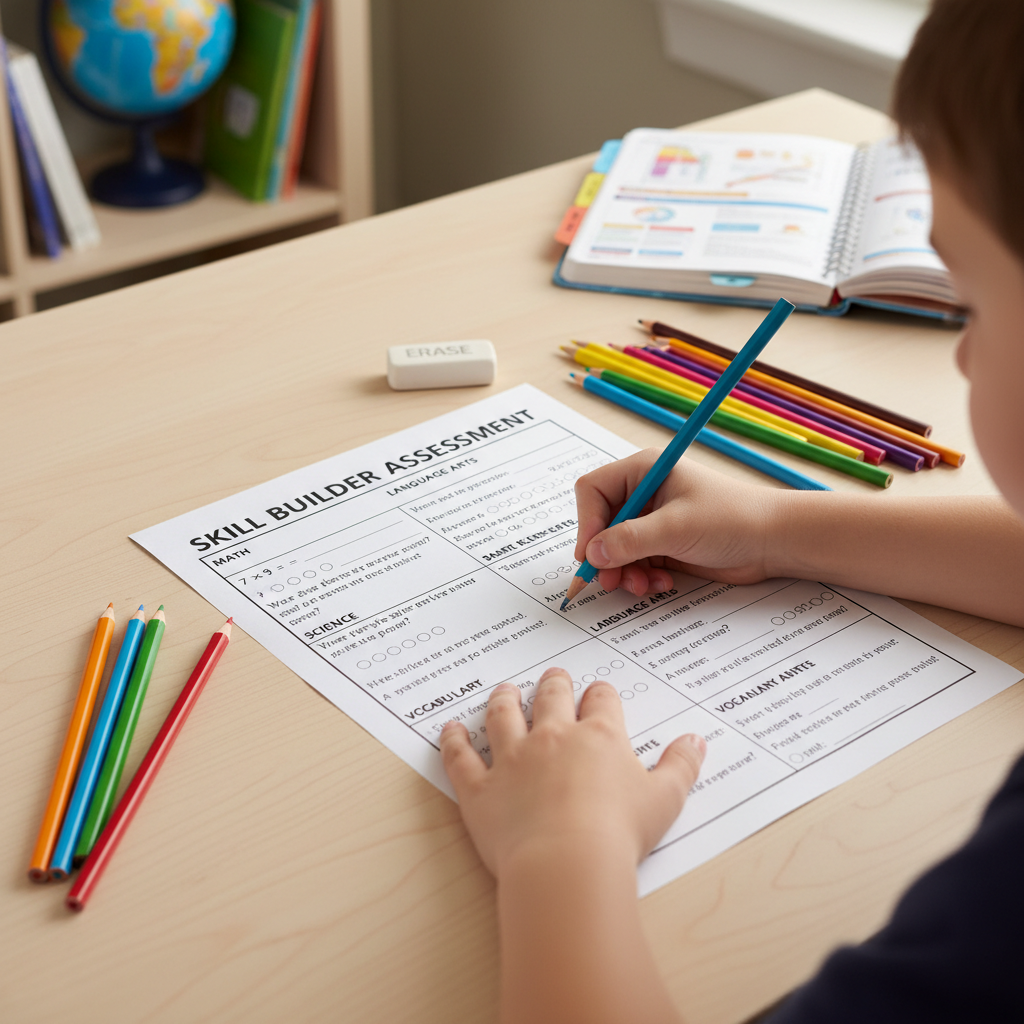
School psychologists collaborate with teachers and parents to develop strategies that enhance learning experiences for all students. They conduct assessments to identify learning difficulties and provide recommendations for accommodations or interventions that can benefit the entire classroom.
Myth 2: School Psychologists Are Just "Guidance Counselors"
While both school psychologists and guidance counselors are crucial to student success, their roles differ significantly. School psychologists are often involved in more specialized assessments and interventions. They possess a deep understanding of psychological principles that apply to learning and development, enabling them to address complex issues such as anxiety, depression, and trauma.
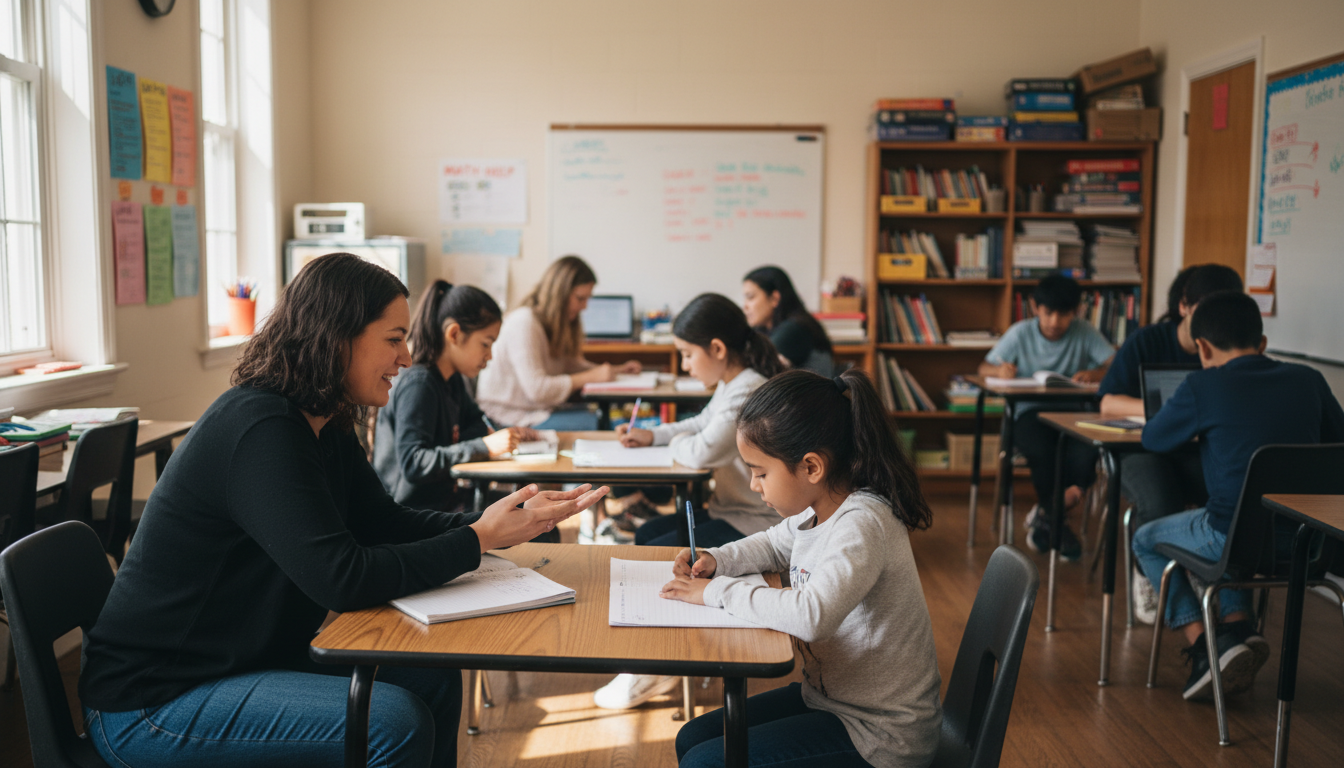
Additionally, school psychologists contribute to creating safe and inclusive school environments. They help develop policies and programs that prevent bullying, promote mental health awareness, and support diverse learners. Their role is integral in shaping a positive school culture.

Myth 3: School Psychologists Are Not Involved in Academic Support
Another common myth is that school psychologists do not play a role in academic support. In reality, they are often at the forefront of identifying and addressing learning disabilities. They work closely with teachers to implement evidence-based strategies that support students' academic growth.
Through data analysis and observation, school psychologists help tailor educational approaches that meet the unique needs of each student. They are instrumental in creating and monitoring Individualized Education Programs (IEPs) to ensure students receive the support they need to succeed academically.
Conclusion: Valuing the Contribution of School Psychologists
School psychologists are essential to fostering a nurturing and effective learning environment. By breaking these common myths, we can better appreciate their multifaceted role and the positive impact they have on students, teachers, and the entire school community.
Understanding the breadth of their responsibilities encourages schools to fully utilize their expertise, ultimately benefiting everyone involved in the educational process. By recognizing their contributions, we can ensure that school psychologists continue to play a crucial role in shaping successful educational experiences.